The Case for Selling
Let’s start with the pressures, because they’re real and they’ve stacked up quickly.
Section 24, the one that changed everything
From 2017 to 2020, mortgage interest deductibility for individual landlords was phased out. Since 2020, the full restriction has applied: you can no longer deduct mortgage interest from your rental income before calculating tax. Instead, you get a 20% basic-rate tax credit.
For a basic rate taxpayer, the impact was manageable. For higher and additional rate taxpayers, it was significant. You’re now paying tax on income that’s being used to service the mortgage. A landlord paying £10,000 a year in mortgage interest used to deduct the full amount. Now they get a £2,000 credit. On the same income, the tax bill increases by roughly £2,000 to £2,500 depending on their tax band.
And it’s getting worse. From April 2027, separate property income tax rates come into force: 22% basic, 42% higher, 47% additional. The Section 24 credit increases fractionally to 22%. It's a small consolation, but the gap between what you pay and what you get back widens further for higher rate taxpayers.
The Renters’ Rights Act, Section 21 is gone
From 1 May 2026, Section 21 no longer exists. All tenancies are now periodic, no fixed end dates, no automatic possession at the end of a term. To regain possession, you need a legal ground under Section 8. To sell with vacant possession, you need Ground 1A: 4 months' notice, which can't expire in the first 12 months of the tenancy, and court proceedings if the tenant doesn't leave voluntarily. We’ve covered the full detail in our Renters’ Rights Act guide.
That’s a material change to how you exit a tenancy. It doesn’t stop you from selling (selling with tenants in place is entirely viable), but gaining vacant possession is now a 6–12 month process if contested.
EPC requirements, the cost is coming
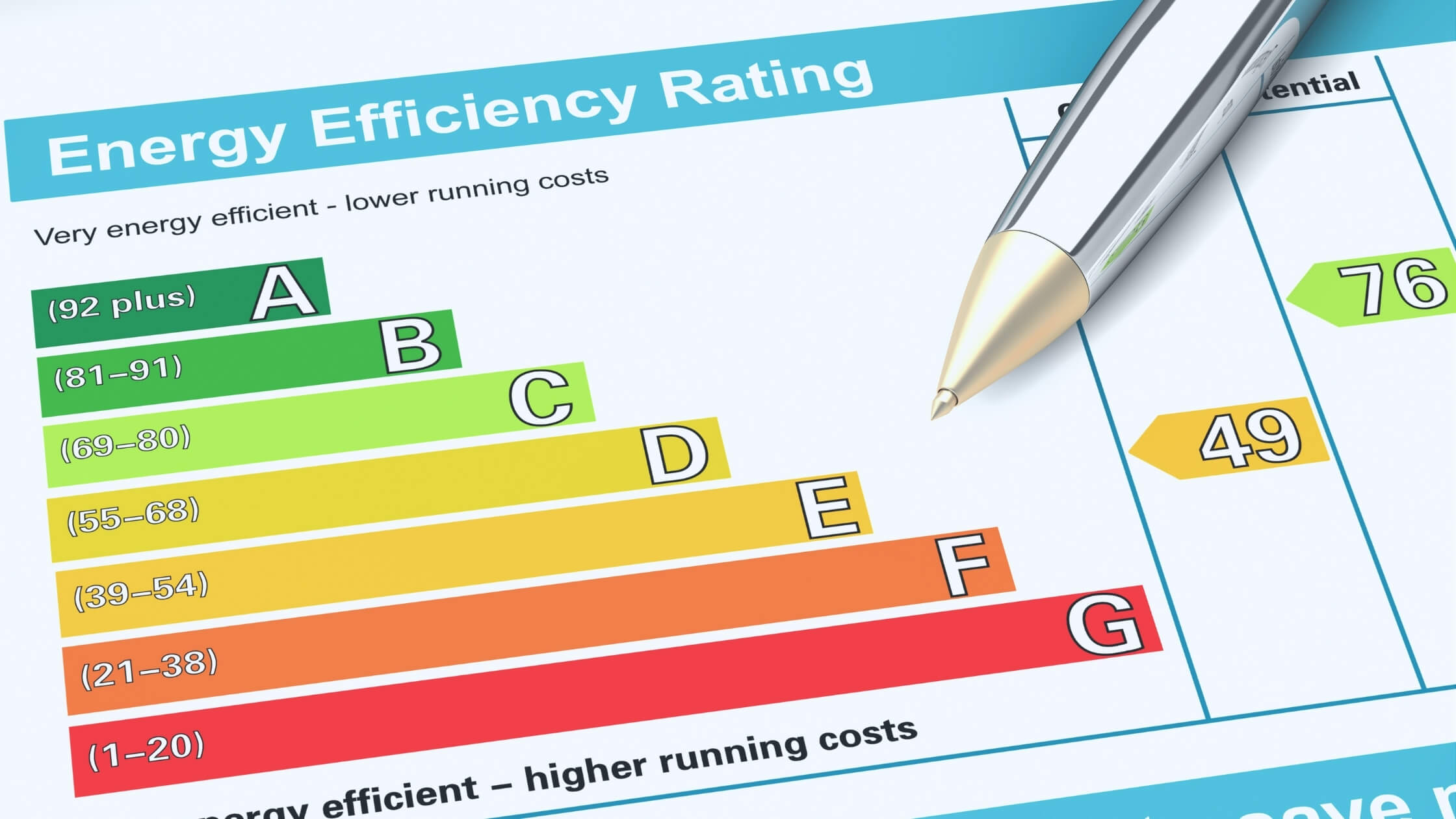
The government has now confirmed EPC C minimum ratings for rented homes via the Warm Homes Plan (published January 2026), with a compliance date of 1 October 2030 and a £10,000 government-set investment cap per property. For newer Wirral properties in reasonable condition, that cap is unlikely to bite. For the older terraces and ex-council stock that make up a significant chunk of Wirral BTL portfolios (properties currently rated D, E or worse), reaching that cap is a real possibility. That’s a capital spend against an asset generating declining net income.
Making Tax Digital
MTD for Income Tax applies to landlords with income over £50,000 from April 2026, and over £30,000 from April 2027. Quarterly digital submissions, not an annual return. For landlords who’ve been doing a simple spreadsheet once a year, this means either learning new software or paying an accountant more. Not catastrophic, but another cost and another administrative burden.
The landlord exodus: you’re not alone
31% of landlords plan to reduce their portfolios, with 16% intending to sell all their properties within two years, according to the English Private Landlord Survey (December 2025). An estimated 93,000 landlords exited the UK market during 2025. In Q1 2025, 15.6% of all new sales instructions were previously rented homes.
The direction of travel is unmistakable. And for landlords in the middle of the stack (higher LTV, older stock, higher rate taxpayers), the maths is deteriorating.
The Case for Holding
The pressures are real. So are the fundamentals, particularly on the Wirral.
Rental demand is strong and growing
Average rents on the Wirral hit £845 a month, up 6.5% year-on-year. As landlords exit and supply tightens, remaining landlords face less competition for tenants and stronger negotiating position on rent. Supply is falling faster than demand. That combination supports further rent growth.
Capital growth is solid
Average Wirral property prices stand at £222,000, up 6.7% year-on-year. Since 2014, detached homes have risen 66%. That’s the kind of long-run capital appreciation that makes property genuinely wealth-building, particularly for landlords who bought a decade or more ago and are sitting on substantial equity.
The Wirral Waters factor
The £4.5bn Wirral Waters regeneration project is driving long-term demand across the peninsula. With job creation, new homes and infrastructure investment, the economic case for the area strengthening over the next decade is credible. Landlords with properties close to the regeneration zones are holding assets that could appreciate significantly.
Properties owned outright are a different calculation entirely
Section 24 only bites if you have a mortgage. A landlord who owns their properties outright, or who has a low LTV with a favourable fixed rate, is largely insulated from the Section 24 impact. On a £175,000 Wirral property generating £845 a month, that’s £10,140 a year in gross rent. After management costs and maintenance, net yield is still compelling without a mortgage to service.
If rates fall, the maths changes
Current mortgage costs are the single biggest variable crushing BTL income after Section 24. A significant fall in base rates, which could come, would materially improve net yields and reduce the pressure of Section 24 for leveraged landlords. Not a certainty, but a real possibility that changes the long-run calculation.
Selling isn’t free
Capital gains tax, estate agent fees, solicitor costs: selling a property with a significant gain carries its own costs. For a Wirral landlord who bought 10–14 years ago, a CGT bill in the region of £10,000–£20,000 is realistic. That money doesn’t come back. If the property is still generating positive net income, the decision to crystallise that liability needs to be weighed carefully.
The Numbers That Actually Matter
Forget the headline figures. Here are the three numbers you need to calculate for each property:
1. Net yield after all costs
Gross rent minus mortgage interest, management fees, maintenance provision, insurance, void allowance, lettings compliance costs, and tax. If the number is positive and meaningful, you have a case for holding. If it’s marginal or negative, you don’t.
A simple benchmark: if your net yield after all costs and tax is above 4% of the property’s current value, you’re in reasonable shape. Below 2%, you’re effectively paying to hold an illiquid asset.
2. Capital growth trajectory
Is the property in an area with credible long-term demand? Or is it in a location where values are static or declining? Wirral’s regeneration story is real, but it’s not uniform across the peninsula. Some postcodes have structural challenges that no regeneration project will fix.
3. Opportunity cost of capital
If you sell and clear the mortgage, what do you have left? And what could that capital earn elsewhere? A landlord who sells a property, pays CGT, clears the mortgage, and walks away with £70,000 needs to ask: what does that £70,000 do in a SIPP, an ISA, or a different investment? Sometimes the answer is “less than the property.” Sometimes it’s “significantly more, with less hassle.”
This calculation is uncomfortable because it requires honesty about whether property is still the best home for your capital, not just the familiar one.
The Decision Framework
Run these questions against each property in your portfolio. Not your portfolio as a whole, each property individually, because the answer is often different for each one.
Sell if:
- You’re a higher rate taxpayer with a significant mortgage, and the net yield after Section 24 is below 3%
- The property needs major capital expenditure (boiler, roof, rewire, EPC upgrade) that won’t recover in sale price
- You’re on a variable or recently-reverted rate that’s materially higher than when you fixed
- You’re within 5–7 years of retirement and want to simplify
- The tenant situation is difficult and the legal route to resolution is now long and uncertain
- The CGT liability, while real, is manageable, and the freed capital has a better home
Hold if:
- You own the property outright or have a low LTV with a good fixed rate
- The property has a strong EPC rating (C or above), no mandatory upgrade looming
- You have reliable, long-term tenants paying market rent
- The net yield after all costs is above 4% of current value
- You’re within easy reach of a significant capital growth event (regeneration, infrastructure, market shift)
- You bought recently enough that the gain is modest and the CGT liability is proportionate
The middle ground:
Sell the worst performer. Most landlords with multiple properties have one that’s causing 80% of the headaches: older stock, a problem tenant history, a higher mortgage, a D-rated EPC. Selling that one, absorbing the CGT, and holding the better properties is often the most rational play. Our guide to the five selling routes covers how to choose the right exit for each property.
The Wirral Picture
National data gives you the context. Local data tells you whether your specific property still makes sense.
To recap the fundamentals above: rents and prices both rising, demand strong enough that 42% of Karl Tatler’s Wirral listings went under offer within four weeks in 2025, and a major regeneration project underway.
That’s a more compelling backdrop than many parts of the country. Landlords in areas with flat or falling rents and stagnant capital growth have a much clearer case for exiting. On the Wirral, the market fundamentals still support holding, if the individual property’s numbers work.
The question isn’t “is buy-to-let still worth it?” in the abstract. The question is: “does this property, with this mortgage, at this tax rate, in this location, still make financial sense?” That’s a calculation only you can do.
So Is It Still Worth It?
For some landlords: clearly yes. Low leverage, good stock, reliable tenants, a long-term view: the fundamentals still work and the Wirral market supports it.
For others: clearly no. Higher rate taxpayer, high LTV, older stock needing capital expenditure, dwindling net yield. The decision to hold is costing them money every month, and the direction of travel (further tax increases, tighter regulation, EPC requirements) isn't improving.
For most landlords: it depends on the property. Run the numbers honestly. Don’t confuse familiarity with value. And don’t let the CGT tail wag the dog. The tax bill on selling is a real cost, but it’s a one-off cost against years of compounding losses if the wrong decision is made.
If you want to run those numbers on your own rental, start with what it's worth today. Tell us about it and we'll give you a straight figure, whether you end up selling or not.